How a simple dream became a model railroading empire.

Pre-MDRAIL on the Pope’s Creek
This is the story of how MDRAIL came to be and how it fits in the real world. The following is a “what if” scenario based on actual events. The contents of this story and the entire website are ment for entertainment purposes only.
The Maryland Southern Transportation System (MDST reporting mark, and also known as MDRAIL) began operations on June 1, 1999, following nearly three years of negotiations during Conrail’s divestiture. Amidst the bidding war between Class I giants, several secondary lines risked abandonment—most notably the Pope’s Creek Secondary, a vital coal route to two Southern Maryland power plants.
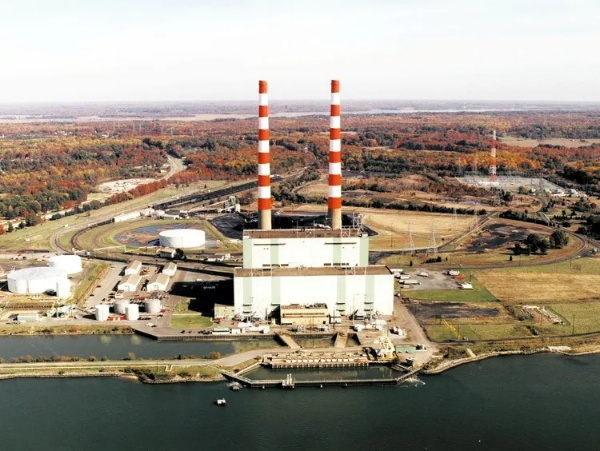
With no takers among major railroads, local stakeholders stepped in. Backed by a regional entrepreneur, the power authority acquired the 68-mile line, ensuring continued fuel delivery and protecting regional jobs. MDST was born.
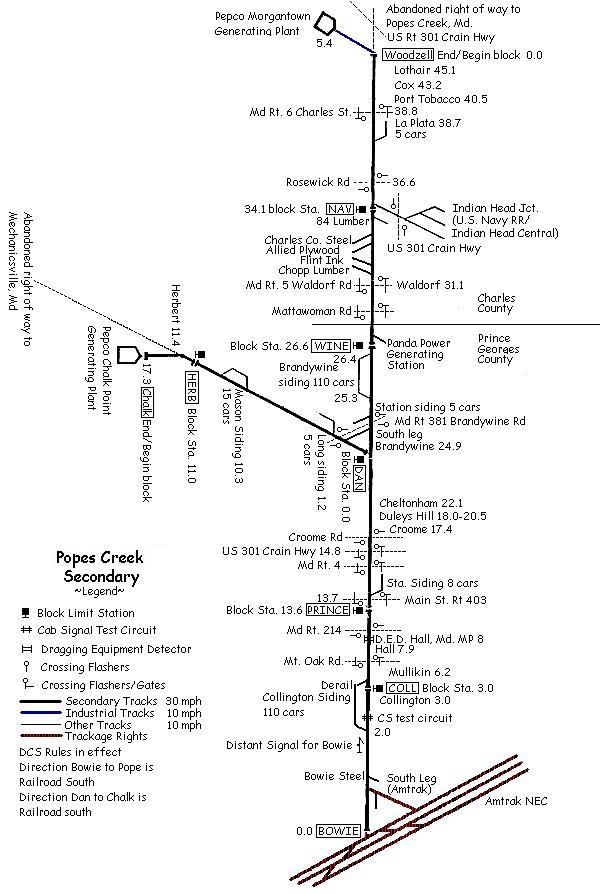
(image courtesy of Pope’s Creek Railfan Guide)
Temporary operations launched in Waldorf, but by 2000, MDST had already restored service to multiple former customers—lumber, steel, and ink businesses—and began upgrades to a team track in La Plata to attract new freight.
By 2001, growth prompted the search for a permanent home. MDST established a headquarters and service yard in White Plains, MD, on a former government spur. In the aftermath of 9/11, the U.S. Navy partnered with MDST to restore service to the Naval Surface Warfare Center in Indian Head, adding 19 miles of track and boosting traffic by 25%.
MDST’s strategic role continued to grow. In 2005, it assisted with the Washington, DC Freight Bypass Study, which addressed hazardous freight routing through the capital. In 2007, MDST was awarded the contract to build and operate the selected bypass route—featuring a 2.7-mile Potomac River bridge, a Fredericksburg, VA interchange, and a grade-separated flyover near Jessup, MD.
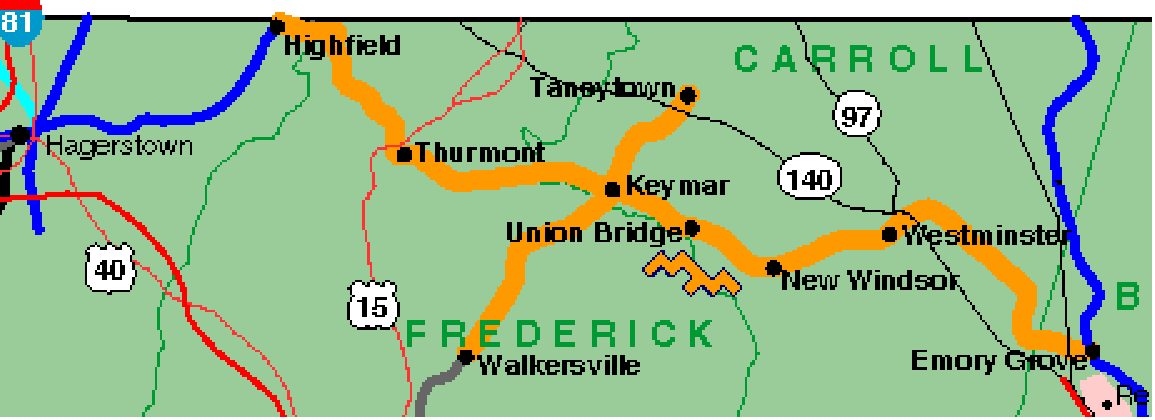
That same year, MDST quietly acquired Maryland Midland Railway (MMID), expanding its reach into Western Maryland and the Pennsylvania coal fields—a critical supply chain for its power customers.
In 2008, MDST began eyeing the Eastern Maryland Railway (EM), a struggling agricultural short line on the Eastern Shore. After years of investment discussions, MDST acquired a 53% stake in EM in 2010, bringing its operations under the MDST banner.
Simultaneously, Maryland’s push for greener energy led to the construction of a waste-to-energy incinerator at Pope’s Creek. Rail was chosen to minimize truck traffic and emissions. In 2014, the first municipal solid waste train—nicknamed “Big Stinky” by railfans—served the new facility.
MDST’s expansion continued in 2015, acquiring the right-of-way beyond Chalk, MD, and launching efforts to restore freight service to Mechanicsville and Southern St. Mary’s County, supporting local agriculture with fast, efficient rail logistics.
The bypass line officially opened on September 11, 2011, with MDST’s business train making a symbolic first run—marking a decade since the events that helped shape the company’s pivotal role in regional transportation.
As of the fiscal year ending 2015, Maryland Southern operates 638 route miles of track. The company maintains a fleet of 136 locomotives and 2055 freight cars. Maryland Southern transported over 6.8 million originated tons of freight in 2015 and had a total revenue of $124.6 million.
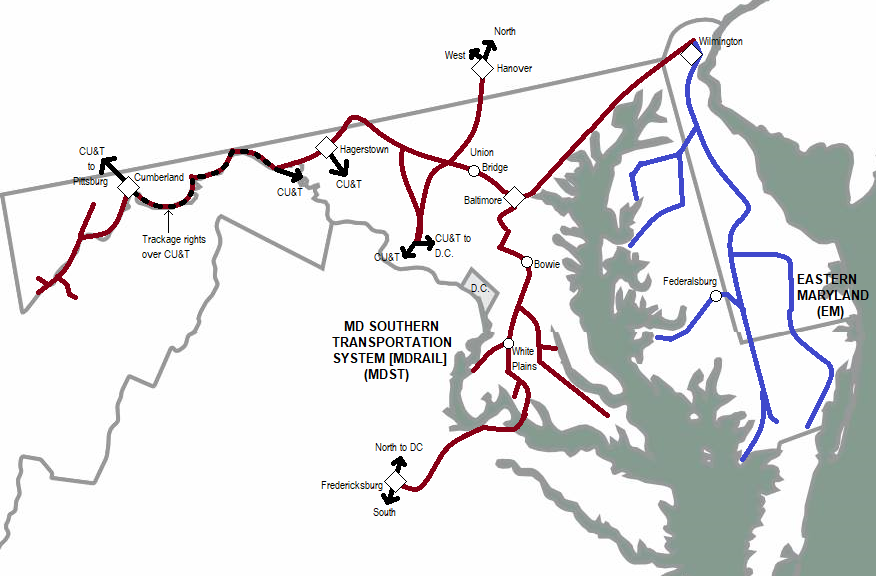
MDRAIL by the numbers: A brief overview.
 MDRAIL